Une petite sardine? The Trial Judgment in the Al Hassan Case
 Sabina GrigoreJust Access Representative to the UNODC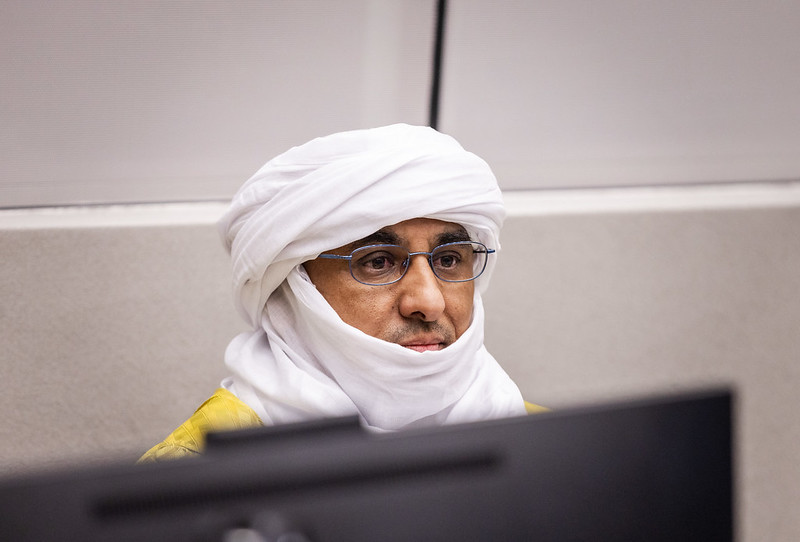
January 2012 saw the onset of the Mali War, plunging the nation into its worst human rights crisis in 50 years. Since the Ministry of Justice referred this matter to the International Criminal Court (ICC) in July 2012, the ongoing query remains: Can Mali see justice restored?
Al Hassan Ag Abdoul Aziz Ag Mohamed Ag Mahmoud’s (“Al Hassan”) trial judgment on the 26th of June 2024 is one of the small steps taken in this direction.
Al Hassan was arrested and transferred to the ICC in April 2018, facing charges of crimes against humanity and war crimes allegedly committed during the occupation of Timbuktu by radical Islamist groups Ansar Dine and Al-Qaida in the Islamic Maghreb (AQIM) between April 2012 and January 2013.
During this time, these two groups enforced a strict and unique interpretation of Sharia law, meant to help fight those considered infidels and enlighten and instruct the ignorant people of Timbuktu. They imposed strict dress codes and banned TV, music, smoking, and alcohol. To enforce these rules, new institutions were established, including a security battalion called the Hisbah, the Islamic Police, and the Islamic Tribunal. These institutions handled city security, street patrols, rule compliance, arrests, and punishments like detention or public flogging.
Al Hassan was allegedly the de facto chief of the Islamic Police. However, he was perceived differently by different actors during his activity in Timbuktu, having variously been described as . His true status remained a point of contention throughout, and at one point Al Hassan’s defense team even argued he was too minor a figure to warrant trial at the ICC, describing him as “une petite sardine”. They further argued that the alleged crimes were unrepresentative and that the prosecution unfairly targeted the Islamic faith.
During the verdict, it was clarified that Al Hassan climbed the ranks within the Islamic Police, reaching a leading role in a short time. His activity involved, among other things, receiving civilian complaints, investigating crimes, arresting and detaining offenders, performing administrative tasks, and writing and issuing reports, while collaborating with the Islamic Tribunal.
According to the verdict, Al Hassan was declared guilty of several acts constituting war crimes and crimes against humanity. The war crimes included torture, cruel treatment and other inhumane acts, outrages upon personal dignity, mutilation, and pronouncement of convictions without prior judgment in the context of the Islamic Tribunal. While the convicted crimes against humanity were torture and persecution on religious grounds.
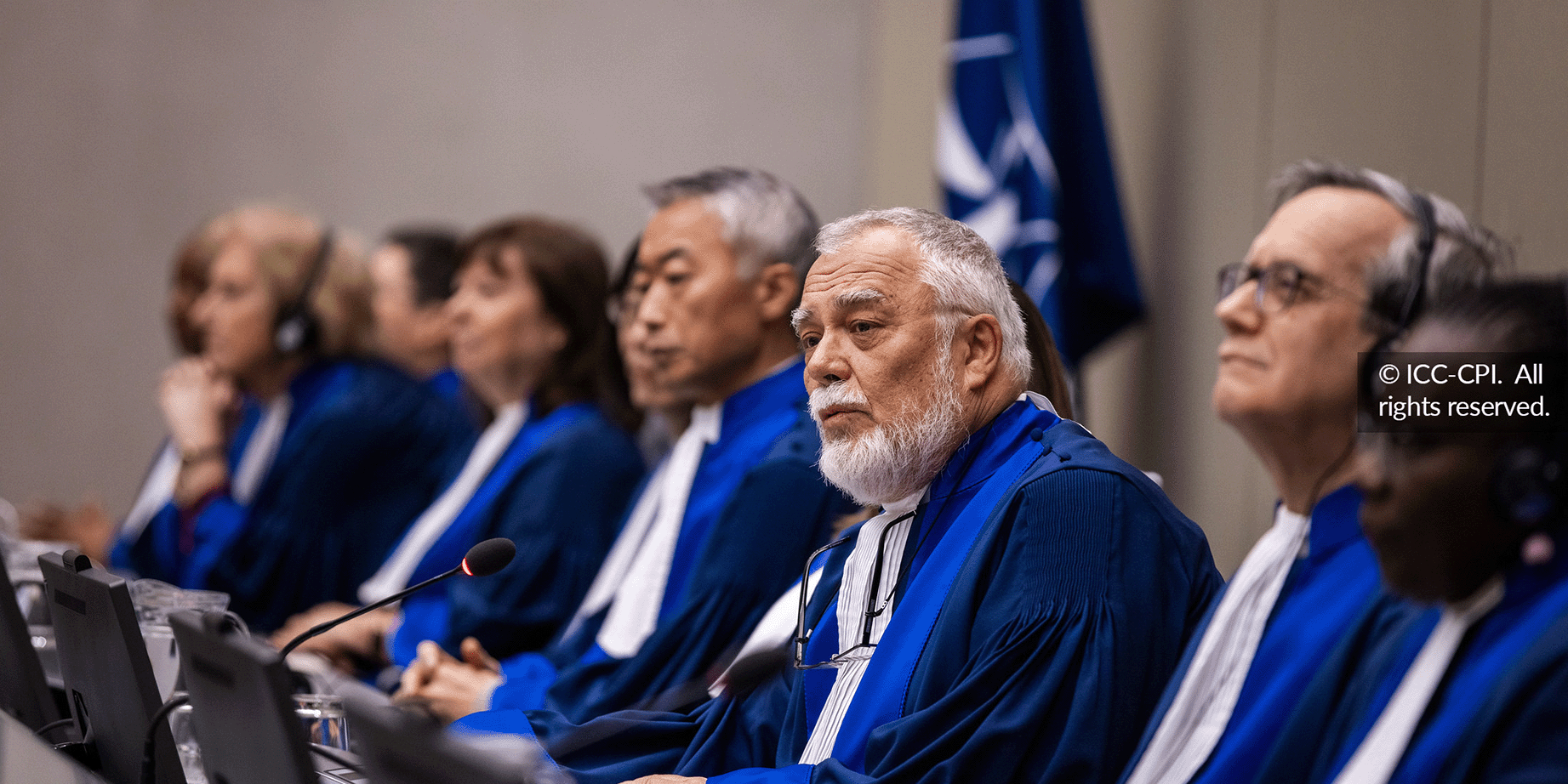
Revisiting facts already considered in the Al Mahdi case, he was declared not guilty of the war crime of attacks on protected objects. Still, it appears that the majority of the Trial Chamber agreed that Al Hassan was not just “une petite sardine” in the system created by Ansar Dine and AQIM. However, in a dissenting opinion, the Presiding Judge argued that on grounds of duress and error of law, Al Hassan should have been exonerated of all criminal responsibility.