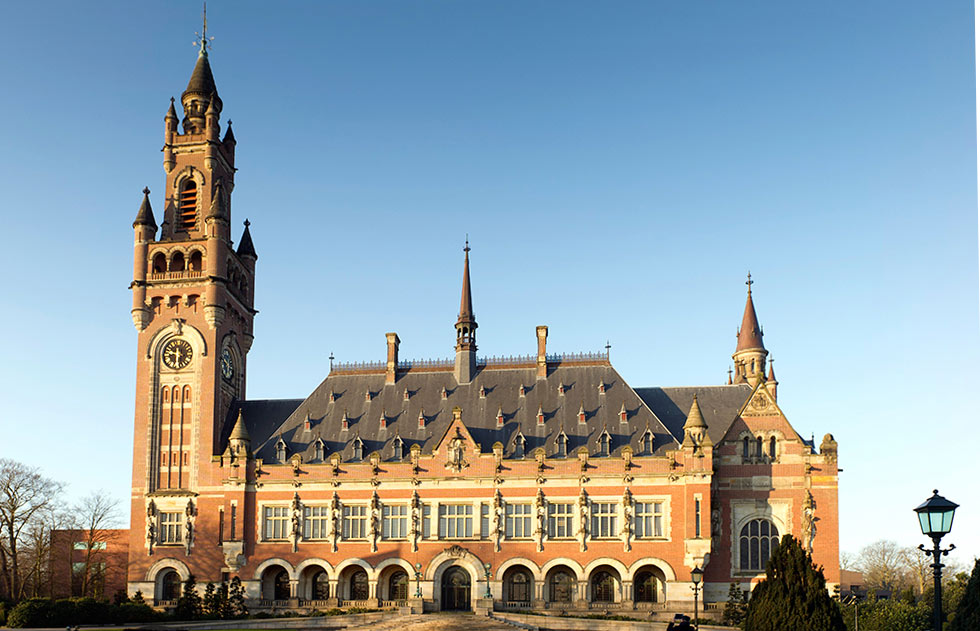
Palestine at the International Court of Justice – A View From Our Director
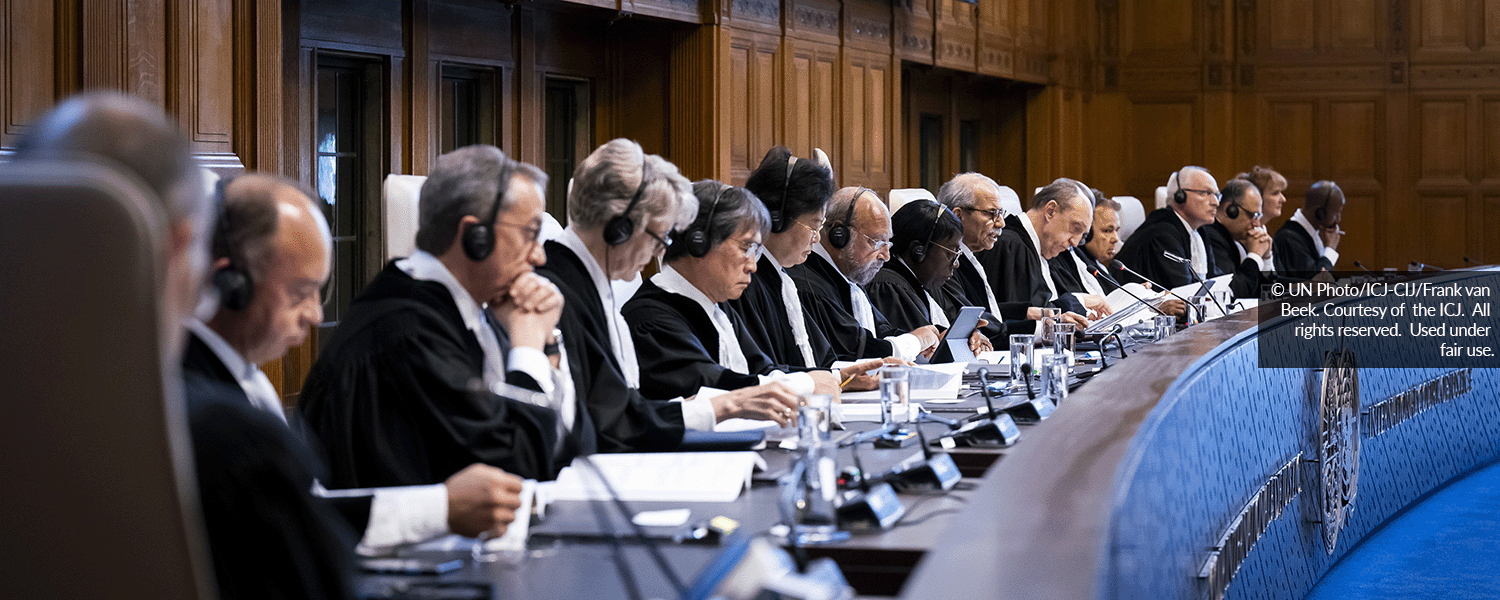
Sometimes, even as events unfold, you can sense history weighting the present, writing events into our collective memory as deeply as chiselled stone.
That was the momentous, breathless atmosphere that held sway as Judge Nawaf Salam, President of the International Court of Justice delivered the Court’s advisory opinion on the Legal Consequences Arising from the Policies and Practices of Israel in the Occupied Palestinian Territory, including East Jerusalem.
Advisory opinions from the Court are always significant moments. The ICJ is the highest court dealing with questions of international law, and its pronouncements carry enormous weight. Unlike the other side of the Court’s work—so-called ‘contentious’ cases—where two or more States might bring a dispute to the Court and ask it to resolve the key legal and factual questions at issue, advisory opinions are the Court’s response to requests for advice from the UN General Assembly, the UN Security Council, and a strictly limited number of other organisations.
Rather than resolving a dispute, when it is issuing an advisory opinion, the Court is asked to give an authoritative interpretation of what international law says on a topic – almost inevitably, a highly controversial topic. From decolonisation to the powers of the UN, self-determination to the situation in Kosovo, many of international law’s most difficult questions come before the Court, sooner or later. A case in point, the ICJ is currently faced with another advisory request, on States’ obligations in respect of climate change, which has the potential to be quite simply world-changing.